How to Freeze Your Credit for Free: A Simple Step-by-Step Guide
If you want to protect yourself from identity theft, learning how to freeze your credit for free is a practical place to start. A credit freeze restricts access to your credit report when businesses try to review it for new credit applications. This can make it harder for someone to open a credit card or loan in your name without permission.
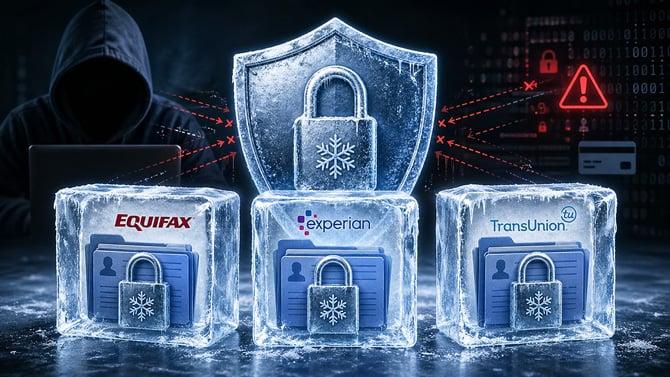
The process is free in the United States. However, you must contact all three major credit bureaus—Equifax, Experian, and TransUnion—because a freeze with one bureau does not automatically freeze the other two.
The good news is that you can generally request a freeze online, by phone, or by mail. You can also temporarily lift it when you need to apply for a credit card, mortgage, auto loan, or other financing.
In this guide, you’ll learn how to freeze your credit for free, where to submit your requests, how to lift a freeze, and what this protection can and cannot do.
Credit cards with no annual fee
What Is a Credit Freeze?
A credit freeze, also called a security freeze, restricts access to your credit file for certain purposes, especially when a lender wants to review it for a new credit application.
For example, suppose someone obtains your personal information and tries to open a credit card using your identity. If a freeze is active, the card issuer generally cannot access your frozen credit report for that application. This makes it more difficult for the fraudster to get the account approved.
A credit freeze does not erase your credit history, close your existing credit cards, or stop your credit score from changing. It is a security measure designed to help prevent unauthorized new credit accounts.
According to the Federal Trade Commission (FTC), anyone can freeze their credit for free, even if they have never experienced identity theft.
How to Freeze Your Credit for Free in 3 Steps
You do not need to pay a credit monitoring company or purchase a special service to place a security freeze. Follow these three steps to get started.
Step 1: Contact Equifax
Start by visiting the official Equifax credit freeze page:
Freeze your credit with Equifax
Follow the instructions to create or access your account and request a security freeze. Equifax may ask you to verify your identity before processing the request.
Keep any confirmation or reference number you receive. It may help you manage the freeze later.
Step 2: Contact Experian
Next, visit the official Experian freeze page:
Freeze your credit with Experian
Follow the instructions to verify your identity and submit your request. Save the confirmation details and make sure you understand how to access your account if you need to lift the freeze.
Step 3: Contact TransUnion
Finally, visit the official TransUnion credit freeze page:
Freeze your credit with TransUnion
Complete the required identity verification and submit your request.
Once you have requested freezes from all three bureaus, keep your confirmation details somewhere secure. Your credit freeze should remain in place until you ask the relevant bureau to lift or remove it.
Important: Completing a freeze with only Equifax, Experian, or TransUnion does not automatically freeze your reports with the other bureaus. Submit and verify all three requests.
Can You Freeze Your Credit Online for Free?
Yes. Online requests are a convenient way to freeze your credit without paying a fee.
You can visit each bureau’s official website, verify your identity, and follow its security freeze instructions. Each bureau may have a different account setup or verification process.
You can also request a freeze by telephone or mail if you prefer not to use an online account. The FTC and the Consumer Financial Protection Bureau (CFPB) provide guidance on these options.
Avoid sponsored search results or third-party websites that claim you must pay to freeze your credit. Start with the official bureau websites instead.
How Long Does a Credit Freeze Take?
Federal rules generally require credit bureaus to place a freeze within one business day after receiving an eligible request by telephone or secure electronic means. Requests made by mail generally must be processed within three business days after receipt.
These are legal processing deadlines, not a guarantee that every online account will display the same status immediately. Save your confirmations and check the bureau’s instructions if the freeze does not appear as expected.
If you are concerned about immediate identity theft, consider additional steps while your requests are being processed.
Does Freezing Your Credit Affect Your Credit Score?
No. Placing a security freeze does not directly lower or raise your credit score.
Your score can still change while a freeze is active. For example, payment history, credit utilization, new information reported by lenders, and other scoring factors can affect your score.
A credit freeze also does not prevent you from checking your credit report. You can continue to review your credit information and monitor your existing accounts.
Before making a new credit application, however, remember that the lender may need access to a credit report. You may need to lift the freeze at the bureau the lender uses.
How to Unfreeze Your Credit for Free
You can temporarily lift a credit freeze or remove it permanently without paying a fee.
If you are planning to apply for a credit card, finance a car, or get a mortgage, follow these steps:
- Ask the lender which credit bureau or bureaus it expects to check.
- Sign in to the relevant bureau’s official website or use its approved phone or mail process.
- Request a temporary lift for the period you need, if the bureau offers that option, or request permanent removal if that is what you want.
- Complete any identity verification and follow the bureau’s instructions.
- After the application process, check whether you want the freeze restored or maintained at the other bureaus.
Under federal rules, eligible requests to lift a freeze must generally be completed within one hour when made by telephone or secure electronic means, or within three business days when made by mail.
You do not necessarily need to lift all three freezes for every application. If the lender confirms it will check only one bureau, you may be able to lift the freeze at that bureau alone. Ask the lender rather than assuming which report it will use.
Credit Freeze vs. Fraud Alert: What’s the Difference?
A credit freeze and a fraud alert both help protect against identity theft, but they work differently.
| Feature | Credit freeze | Fraud alert |
|---|---|---|
| Cost | Free | Free |
| Main purpose | Restricts access to your credit report for certain new-credit checks | Asks lenders to take additional steps to verify your identity |
| Who must you contact? | All three major bureaus | One bureau for an initial fraud alert |
| Typical duration | Until you lift or remove it | An initial fraud alert generally lasts one year |
| Credit score impact | Does not directly affect your score | Does not directly affect your score |
| New credit applications | You may need to lift the freeze | Lenders must follow the applicable identity-verification requirements |
A fraud alert does not block access to your credit report in the same way as a freeze. For that reason, consumers who want to restrict access to their reports often choose a freeze. Depending on your circumstances, you may also place a fraud alert.
If you suspect that someone has stolen your identity, visit IdentityTheft.gov for official recovery guidance.
What a Credit Freeze Does Not Protect You From
A credit freeze is useful, but it is not a complete identity-theft solution.
It generally does not prevent someone from:
- Using an existing credit card if they have obtained the card details or account credentials.
- Making unauthorized transactions on a bank account.
- Accessing an account through stolen login credentials.
- Committing certain types of fraud that do not require a new credit account.
- Using personal information in ways unrelated to a lender’s access to a frozen credit report.
A freeze also does not prevent existing creditors from accessing your report in certain circumstances permitted by law.
To improve your protection, use unique passwords, enable multifactor authentication where available, monitor financial statements, and contact your bank or card issuer immediately if you notice suspicious activity.
You can also review your credit reports through AnnualCreditReport.com, the federally authorized website for requesting free credit reports.
Can Parents Freeze a Child’s Credit for Free?
Yes. Under federal law, parents and eligible representatives can request free security freezes for qualifying children and protected consumers.
A parent or legal guardian may need to provide documents proving the child’s identity, the adult’s identity, and their authority to make the request. The exact paperwork and submission process may vary by bureau.
Children may not have an established credit file. In some cases, the bureau must create a protected consumer file before placing the freeze.
If you are concerned about child identity theft, consult the official instructions from Equifax, Experian, and TransUnion before sending documents. Use only verified bureau contact information.
Frequently Asked Questions
Is it really free to freeze your credit?
Yes. U.S. consumers can place, temporarily lift, and remove security freezes at the three nationwide credit bureaus without paying a fee. You do not need to purchase a credit monitoring subscription to obtain a security freeze.
Do I need to freeze my credit with all three bureaus?
Yes, if you want a freeze with all three nationwide bureaus. Each bureau maintains its own credit file and processes freeze requests separately.
Can I still use my credit cards after freezing my credit?
Yes. A credit freeze does not ordinarily prevent you from using existing credit cards or making payments on existing loans. It primarily restricts access to your credit report for certain new-credit applications.
Can I check my credit score while my credit is frozen?
Yes. A security freeze does not stop you from checking your credit report or score. You can continue monitoring your credit information while the freeze remains active.
Will a credit freeze stop every type of identity theft?
No. A freeze can make it harder for someone to open new credit accounts in your name, but it does not prevent all forms of fraud. Protect your existing financial accounts and login credentials as well.
How do I know whether my credit is frozen?
Check the account or confirmation information provided by each bureau. Because the three freezes are separate, verify each bureau individually rather than assuming one confirmation covers all three.
Should I freeze my credit if I have never experienced identity theft?
You can. A freeze is available to consumers regardless of whether they have experienced identity theft or a data breach. You can decide whether it fits your circumstances and future borrowing plans.
Final Thoughts
Learning how to freeze your credit for free is a straightforward way to take more control over your personal financial security. The process does not require a paid subscription, and it does not directly affect your credit score.
Start by submitting a security freeze request to Equifax, Experian, and TransUnion. Keep your confirmations, protect your account credentials, and remember to lift the relevant freeze when you need a lender to review your credit report.
A credit freeze cannot prevent every type of identity theft, but it can be an important part of a broader plan to protect your identity and financial information.
Editorial disclaimer: This article is for general educational purposes and is not individualized financial or legal advice. Verify current procedures and requirements with the relevant credit bureau or government agency.